
The Allure of Chance
The thrill of taking risks is an intrinsic part of human nature. Casino games are designed to amplify this feeling, captivating players with the promise of potential victory. The unpredictable outcome of games like roulette or slot machines plays directly into the psychological concept of gambling—a desire to win against the odds, especially when considering options like casino instant withdrawal that can enhance the overall experience. This unpredictability engages players, as they find themselves caught in a web of excitement and anticipation, which is often further intensified by the sounds and visuals of the gaming environment.
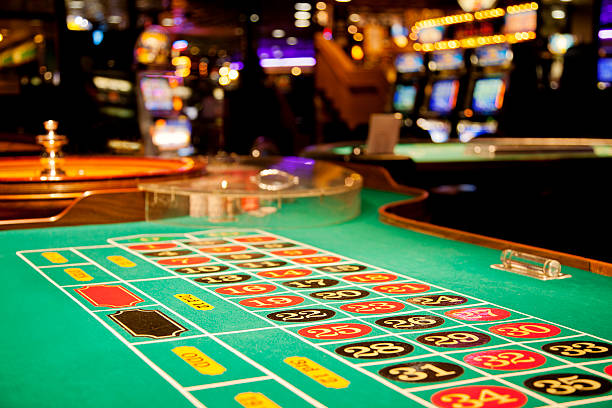
Moreover, casinos are strategically designed to create an immersive experience. The ambiance, with its carefully crafted lighting and vibrant colors, is engineered to evoke feelings of euphoria and exhilaration. Players often experience what’s known as the “gambler’s fallacy,” the belief that past events can influence future outcomes, leading them to make irrational decisions. This cognitive bias keeps players engaged longer, as they chase the elusive big win, feeling that it is just a game or two away.
The psychological impact of reinforcement also plays a significant role. When a player wins, the brain releases dopamine, the feel-good neurotransmitter, creating a cycle of reward that encourages repeated play. This ‘gambling high’ makes the individual crave the next win, establishing a compelling cycle that can quickly lead to addiction. Understanding this allure is crucial for recognizing how casino games capture not just the attention of players but also their loyalty, often leading them back for more experiences.
The Role of Environment
The physical environment of a casino significantly influences player behavior. From the layout of the gaming space to the strategic placement of machines and tables, every detail is meticulously planned to maximize player engagement. For instance, many casinos use open floor plans that encourage exploration and curiosity, drawing players toward various gaming options. This setup creates an almost maze-like journey, compelling individuals to wander from one game to another, often losing track of time.
Additionally, elements such as free drinks and upbeat music contribute to a relaxed atmosphere where players can lose track of time and money. The sensory overload of lights, sounds, and colors serves to heighten emotions, making the gaming experience more intense. Casinos are aware that the longer players stay, the more likely they are to spend, creating an environment where time and reality seem to blur, leading to prolonged play sessions.

Social interaction also plays a pivotal role in the gaming environment. Players often find camaraderie around games like poker or blackjack, where the communal experience can enhance excitement. This social reinforcement can lead to a sense of belonging, compelling players to return not just for the games but for the shared experiences. The combination of these environmental factors creates a psychological playground that keeps players engaged and invested in their gaming journey.
Cognitive Biases and Decision-Making
Cognitive biases are significant influencers in gambling behavior. For example, the illusion of control is a common phenomenon where players believe they have more influence over the outcome of a game than they actually do. This misconception is prevalent in games like poker, where skill is involved, leading players to overestimate their abilities. Consequently, they might engage in riskier behaviors, believing that skill will lead to victory, which is not always the case, often resulting in financial losses.
The anchoring effect is another cognitive bias that surfaces in casino games. Players may focus excessively on certain numbers or outcomes based on previous experiences or even random occurrences during play. This influence can lead them to make decisions that may not be entirely rational, as they cling to past results instead of evaluating the current situation objectively. Such biases illustrate the complexity of decision-making in casino environments, where players are often guided more by psychological influences than by logical reasoning.
Emotions also play a critical role in decision-making at casinos. Players often operate under their emotional states, making them more impulsive during highs and lows. The excitement from winning can lead to overconfidence, while losses can trigger desperation and poor choices. Recognizing these emotional impacts can help individuals understand their behaviors and potentially mitigate the risks associated with gambling. This awareness can be crucial for fostering healthier gaming habits, especially in environments designed to entice and engage.
Impact of Technology on Gambling Psychology
The rise of online gaming platforms has revolutionized the gambling landscape, introducing a new layer of psychological dynamics. With technological advancements, players can engage in gambling from the comfort of their homes, thereby eliminating the traditional casino environment’s social and sensory stimuli. This shift can intensify feelings of isolation or anonymity, where players may feel less accountable for their actions. The lure of easy access can lead to more frequent gambling sessions and an increase in problematic behaviors as players indulge in quick bets without the physical limitations of a casino.
Additionally, technology has enabled the development of gamification in online casinos, where rewards, progress tracking, and interactive features are integrated into gameplay. This evolution taps into the same psychological principles seen in video gaming, engaging players in ways that traditional gambling may not. Features like leaderboards and achievement badges can trigger competitive instincts, prompting users to play longer to unlock more rewards and climb higher in ranks, often to the detriment of responsible gaming.
Furthermore, algorithms used in online gaming can create tailored experiences for players, analyzing their behavior and preferences to enhance engagement. This personalization can heighten psychological involvement, making players feel more connected to the games. Understanding the implications of technology in gambling psychology is vital, as it provides insights into how modern players interact with digital platforms and how these interactions can lead to both enjoyment and potential risks. The ease of access and tailored experiences can blur the lines between casual play and compulsive gambling.
Understanding Responsible Gaming
In light of the various psychological factors at play in casino games, fostering responsible gaming practices has become essential. Education about the psychological mechanics of gambling can empower players to make informed decisions and recognize their limits. Understanding the thrill of risk and the potential for loss can help individuals develop more controlled gambling behaviors and prevent the adverse effects of addiction. By promoting awareness, players can learn to enjoy the games without falling into the traps of excessive play.
Many casinos now implement responsible gaming initiatives, offering resources and support for those who may be struggling with unhealthy gambling habits. These initiatives often include self-exclusion programs, counseling services, and education about the risks associated with gambling. Providing such resources is crucial for creating a safe and supportive gaming environment, ensuring that all players are aware of their options and can seek help when necessary. These programs can help reduce the stigma associated with seeking help, encouraging more individuals to take action when needed.
Ultimately, the goal is to balance the thrill of gambling with an awareness of its psychological impacts. By cultivating a responsible gaming culture, players can enjoy the excitement of casino games while mitigating the risks associated with excessive play. Understanding the psychology behind gambling allows for a more enriching experience that emphasizes enjoyment rather than compulsion, fostering a healthier relationship with gaming in all its forms. Through ongoing education and proactive measures, both players and casinos can contribute to a safer gambling environment.


